7 Powerful Reasons Why Custom CRM Development Transforms Your Business Growth
Businesses today face intense competition and the right technology often makes all the difference. Custom CRM development is rapidly becoming the secret weapon of fast-growing companies that want more control, better data, and stronger customer relationships.
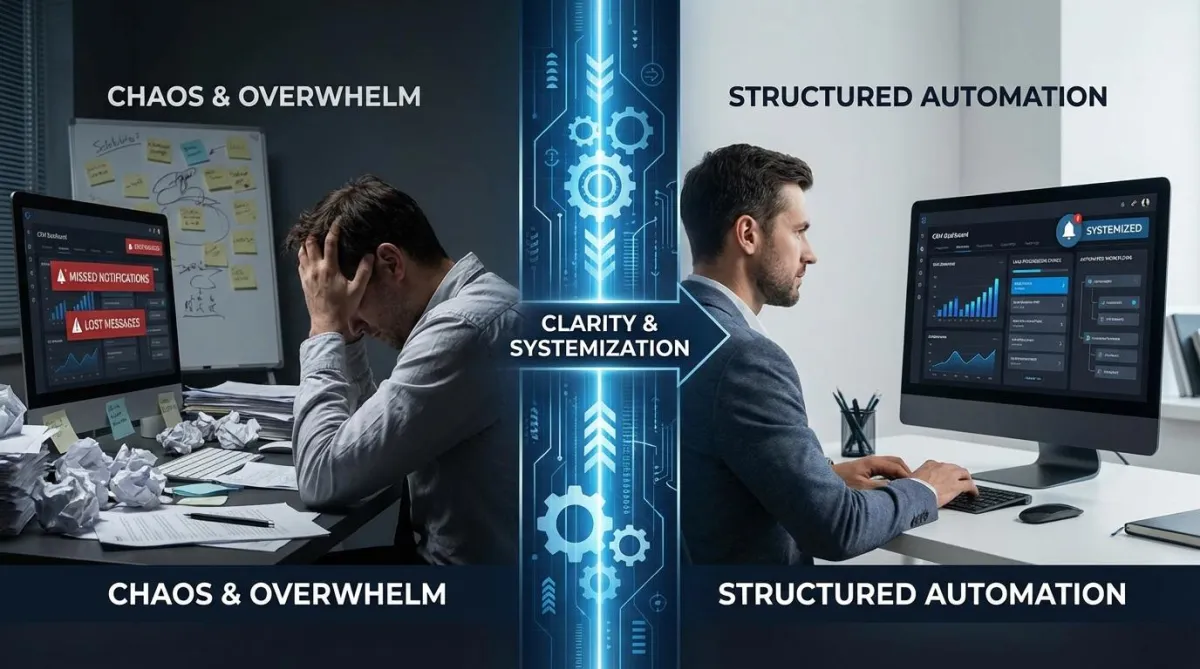
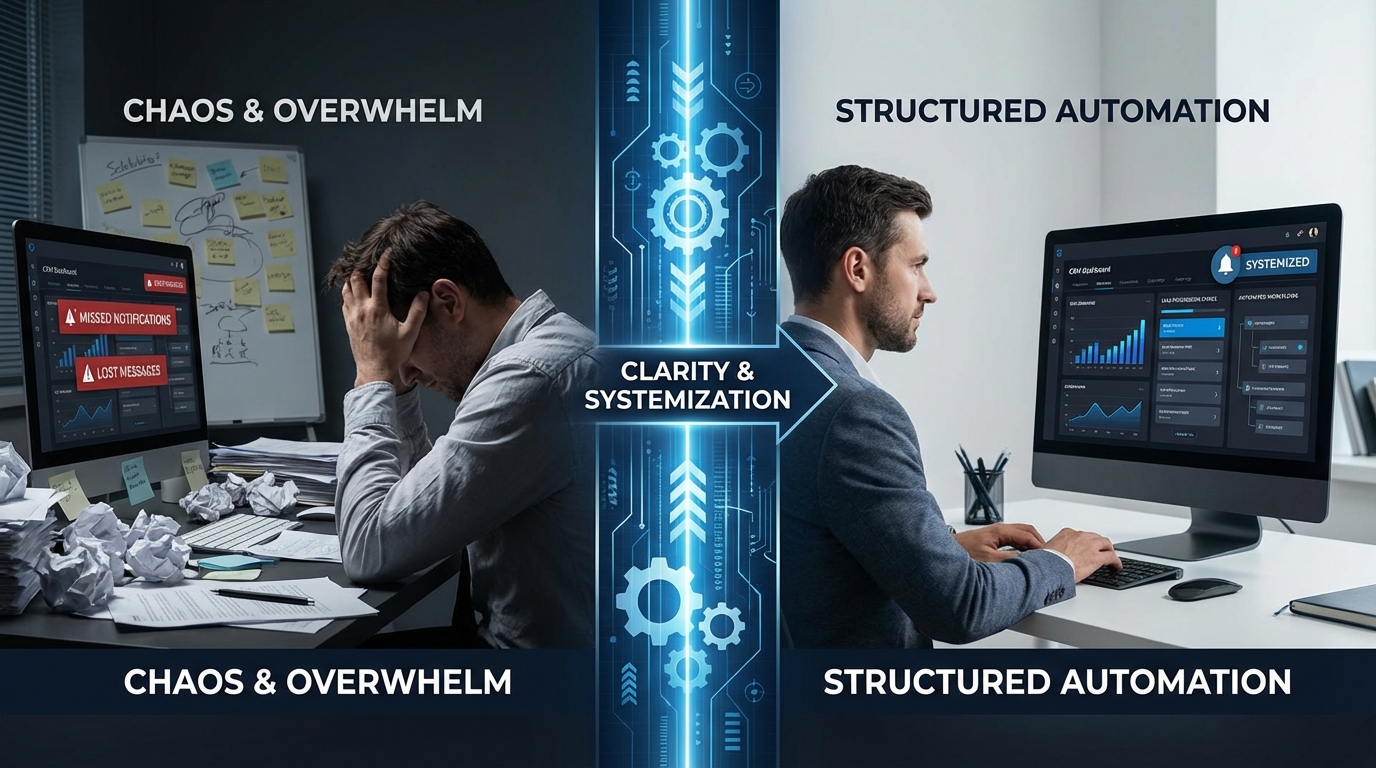
Think about this: your sales team is juggling spreadsheets, your support agents are losing customer history, and your managers can't get a clear pipeline view. Consequently, opportunities slip through the cracks every single day. Fortunately, custom CRM development solves exactly these problems on your terms.
In this guide, you will discover why more businesses are moving away from off-the-shelf tools and investing in a tailored CRM solution built specifically for their workflows, industry, and growth goals.
What Is Custom CRM Development?
Custom CRM development refers to building a customer relationship management system from scratch or heavily modifying an existing framework to match your unique business processes. Unlike generic platforms such as Salesforce or HubSpot, a custom-built CRM aligns perfectly with your sales pipeline, data structure, and team behaviour.
Moreover, it integrates seamlessly with your existing tech stack, whether that includes ERP systems, marketing automation tools, or third-party APIs. The result is a unified platform where every department sales, marketing, support, and operations works from a single source of truth.
Why Generic CRM Tools Often Fall Short
Off-the-shelf CRM platforms promise everything, yet they frequently deliver a frustrating experience. You end up paying for dozens of features you never use. Meanwhile, the specific workflow your team relies on is buried under layers of rigid menus and costly add-ons.
Additionally, data migration becomes a nightmare when you outgrow a generic tool. Custom CRM development, on the other hand, scales naturally with your business model without forcing you to compromise your processes to fit the software.
7 Powerful Reasons to Invest in Custom CRM Development
1. Perfect Process Alignment
Every business has a unique sales cycle, lead scoring model, and follow-up cadence. A custom CRM is built around these specifics from day one. Therefore, your team adopts it faster because it mirrors how they already work not how a vendor thinks they should work.
2. Full Data Ownership and Security
Data is your most valuable asset. With custom CRM development, you control where data lives, how it's encrypted, and who can access it. This is particularly critical for industries like healthcare, finance, and legal services, where data compliance frameworks such as GDPR, HIPAA, and ISO 27001 must be strictly followed.
3. Seamless Third-Party Integration
Modern businesses rely on a rich ecosystem of tools email marketing platforms, accounting software, ERP systems, and communication APIs. A custom-developed CRM integrates with all of these through well-designed RESTful APIs and webhooks. As a result, data flows smoothly without manual entry or data silos.
4. Scalability Without Vendor Lock-In
One of the biggest hidden costs of SaaS CRM tools is vendor lock-in. As your team grows, pricing tiers spike dramatically. In contrast, custom CRM development grows with your business on your infrastructure. You add modules, users, and features whenever you need them without renegotiating contracts or migrating platforms.
5. Advanced Reporting and Analytics
Business intelligence is only as good as the data model underneath it. Custom CRMs allow you to build advanced dashboards, predictive lead scoring models, and real-time reporting pipelines tailored to your KPIs. Thus, your decision-makers always have the insights they need without data gaps or mismatched metrics.
6. Automated Workflows That Save Hours
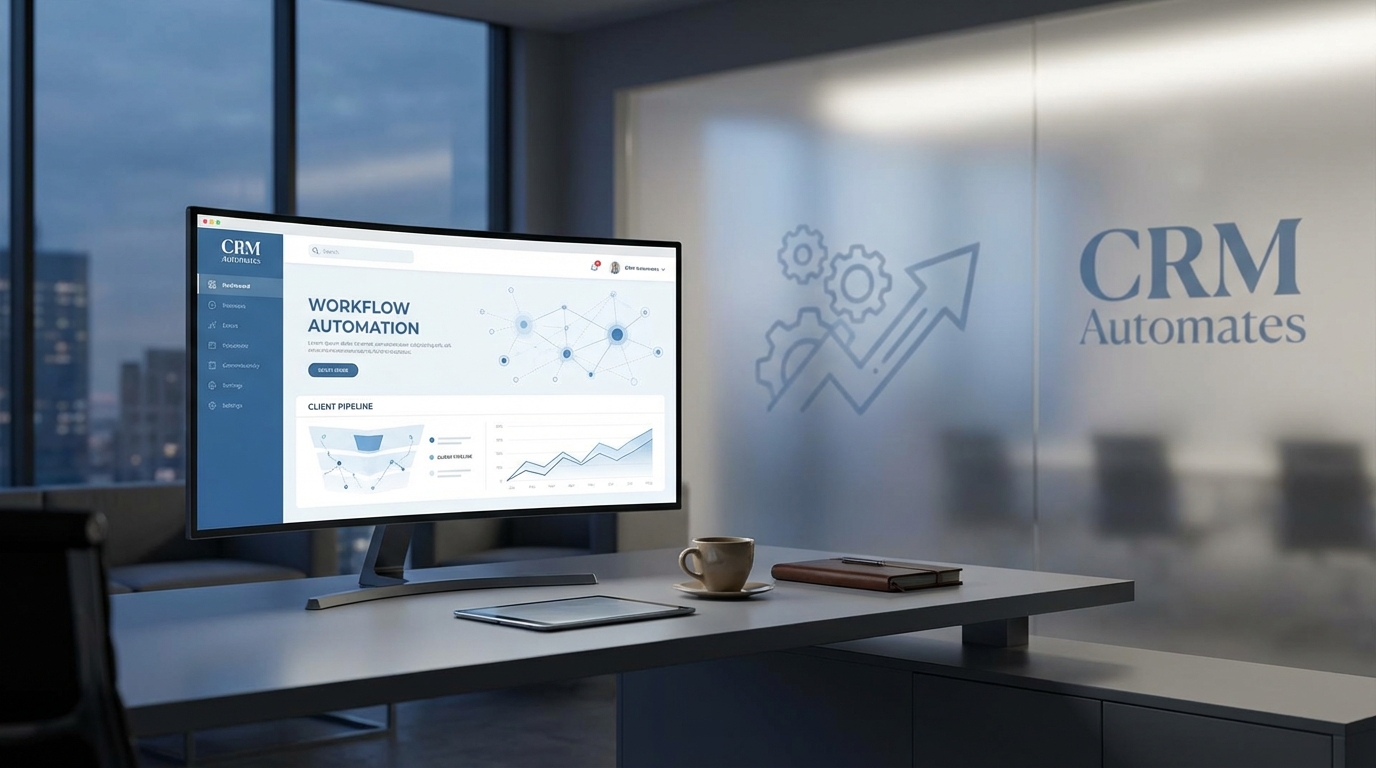
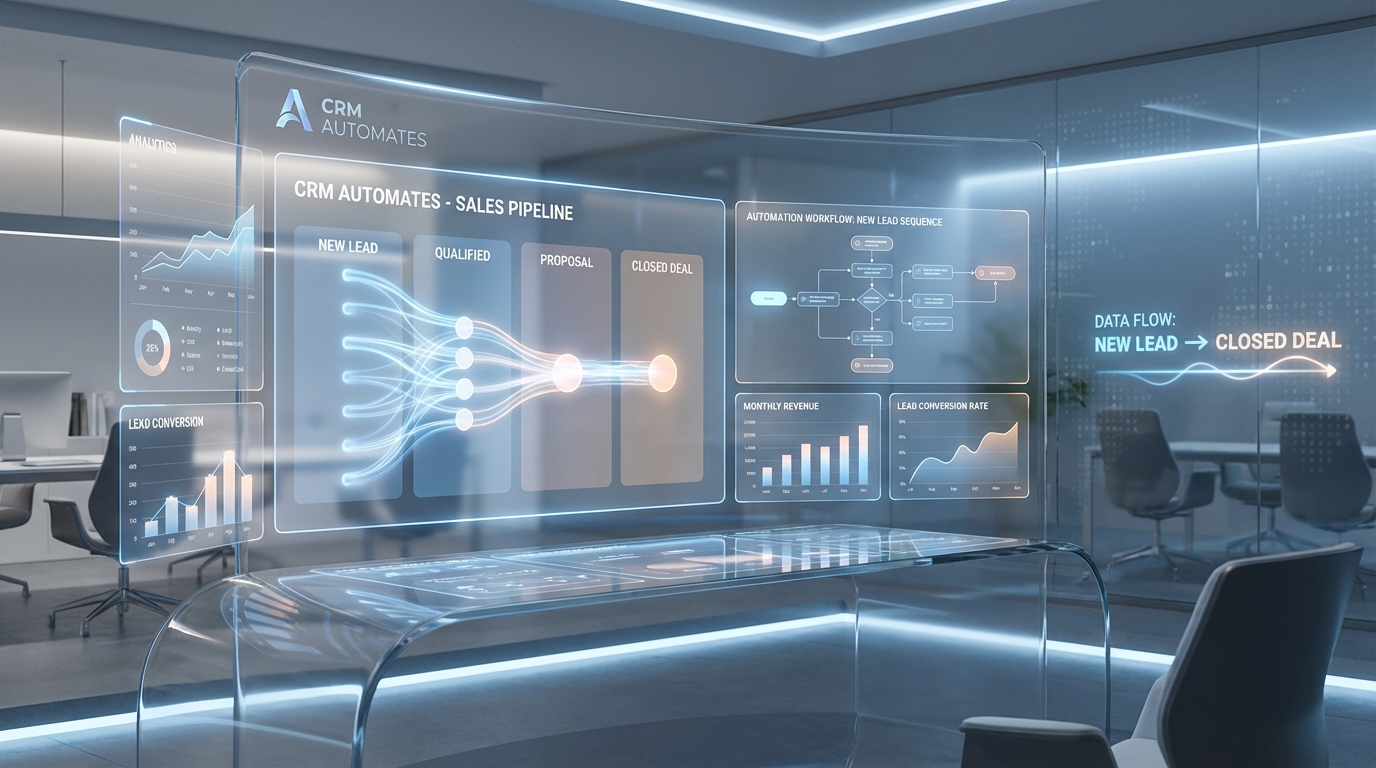
Through custom workflow automation, repetitive tasks like follow-up emails, task assignments, invoice triggers, and notification chains run automatically. Furthermore, you can design multi-step automation sequences based on customer behaviour, deal stage, or support ticket status turning your CRM into a growth engine rather than a data repository.
7. Competitive Advantage Through Unique Features
Your competitors are likely using the same generic CRM with the same features. Custom CRM development lets you build proprietary features AI-powered lead scoring, dynamic pricing modules, or custom client portals that become a genuine competitive moat. No rival can replicate what is uniquely built for your business.
Key Technologies Behind Modern Custom CRM Development
A robust custom CRM development project typically leverages a modern technology stack. Common components include:
Backend frameworks: Node.js, Django, Laravel, or Ruby on Rails
Frontend technologies: React.js or Vue.js for responsive interfaces
Databases: PostgreSQL, MySQL, or MongoDB depending on data structure
Cloud infrastructure: AWS, Azure, or Google Cloud for scalability
Security layers: OAuth 2.0, role-based access control (RBAC), and end-to-end encryption
The right stack depends on your team size, data volume, and integration requirements. Therefore, a thorough discovery phase before development is essential to making smart architectural decisions.
How Long Does Custom CRM Development Take?
Timeline varies based on scope. A basic custom CRM development project — covering core contact management, pipeline tracking, and basic reporting — typically takes 3 to 5 months. A more complex enterprise solution with deep integrations, AI features, and multi-tenant architecture can take 8 to 12 months. Agile development methodology, however, allows you to launch an MVP quickly and iterate based on real user feedback.
Custom CRM Development vs. Off-the-Shelf: A Quick Comparison
When evaluating your options, consider this: off-the-shelf tools offer quick deployment but limited flexibility. Custom CRM development demands a higher upfront investment but delivers long-term ROI through cost savings, process efficiency, and ownership. For businesses with complex sales cycles, large data volumes, or niche industry needs, the custom route consistently proves more cost-effective over a three-to-five year horizon.
Conclusion
Investing in custom CRM development is not just a technology decision it is a strategic business decision. It gives you full control over your customer data, automates revenue-driving workflows, and builds a platform that evolves with your business. Rather than forcing your team to work around a generic tool, you build a system that works exactly the way your business operates.
If you are ready to move beyond the limitations of off-the-shelf software and build a CRM that truly serves your growth custom CRM development is the path forward. Start with a clear discovery phase, choose the right development partner, and build something that becomes your lasting competitive advantage.
1. How much does custom CRM development cost?
Costs typically range from $15,000 to $150,000+ depending on complexity, features, and team size. A small business MVP starts at the lower end, while enterprise-grade solutions with AI, multi-tenant architecture, and complex integrations fall at the higher end.
2. Is custom CRM development better than Salesforce or HubSpot?
For businesses with unique workflows, strict compliance needs, or high user volumes, custom CRM development often delivers better long-term ROI than SaaS platforms. Generic tools work well for standard use cases but lack the flexibility that growing businesses often need.
3. What features should a custom CRM include?
Core features typically include contact and lead management, sales pipeline tracking, task automation, email integration, reporting dashboards, and role-based access control. Advanced builds may add AI lead scoring, custom client portals, and deep third-party API integrations.
4. How do I choose a custom CRM development company?
Look for a development partner with a proven portfolio in CRM or SaaS projects, strong UX/UI capabilities, agile development practices, and post-launch support. Ask about their discovery and requirements-gathering process a rigorous upfront phase typically predicts project success.
5. Can a custom CRM integrate with my existing tools?
Yes. Custom CRM development allows integration with virtually any tool that offers an API including ERP systems, email marketing platforms, payment gateways, accounting software, and communication tools like Slack or WhatsApp Business API.