Intelligent CRM Automation Platform: 2026 Buyer’s Guide
Beyond the Database: Choosing an Intelligent CRM Automation Platform That Actually Closes Deals
Your sales team is likely drowning in "administrative debt." They spend half their day moving contact info from one spreadsheet to another or manually typing the same "just checking in" email for the tenth time. This isn't just a productivity drain; it’s a revenue leak. You don't need a static database to store names. You need an intelligent CRM automation platform that acts as a digital engine, making decisions based on lead behavior rather than just following a rigid list of rules.
In 2026, the gap between "standard" and "intelligent" software has widened. An intelligent system doesn't just send an email when a tag is applied; it analyzes engagement patterns to predict when a lead is most likely to buy. This guide breaks down how to navigate the current market—specifically for businesses in the US, UK, and Canada—and which tools actually deliver on the promise of automation.
What Defines a True Intelligent CRM Automation Platform in 2026?
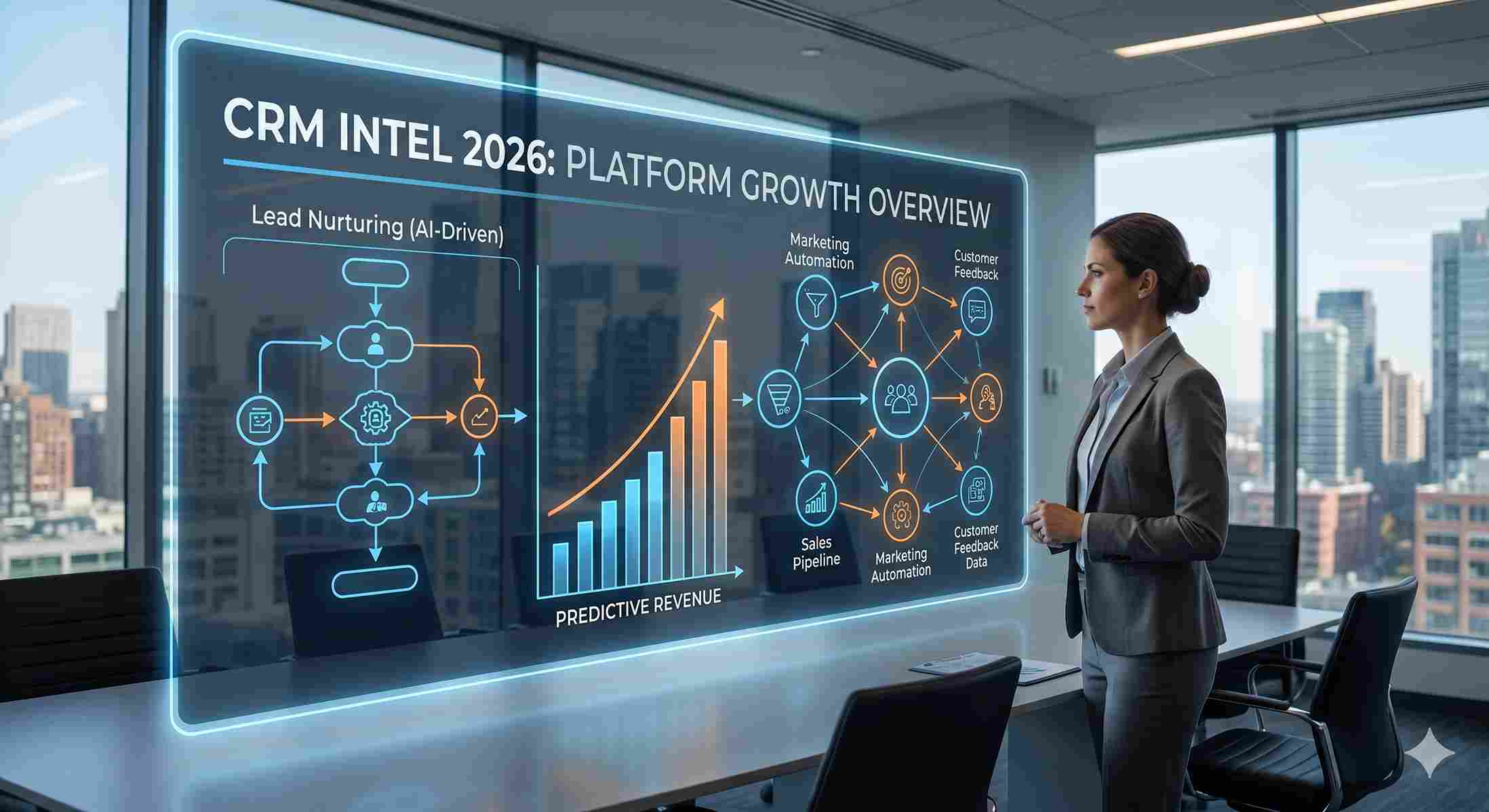
An intelligent CRM automation platform is a centralized software ecosystem that uses machine learning and integrated workflows to manage the customer lifecycle with minimal human input. It moves beyond "if-this-then-that" logic into the territory of predictive orchestration.
We’ve observed that the most successful firms in the UK and North America have stopped treating their CRM as a filing cabinet. Instead, they use it as a communications hub. The "intelligence" factor comes from the system's ability to prioritize tasks for your sales team based on real-time data, ensuring that high-value opportunities never sit in an inbox for more than sixty seconds.
GoHighLevel vs. HubSpot: The 2026 Efficiency Reality Check
Choosing between these two platforms often comes down to your business model and your tolerance for complexity. We have seen teams in the SaaS sector get frustrated by HubSpot’s rising "per-seat" costs, while service-based agencies sometimes find GoHighLevel’s deep customization to be a double-edged sword.
The Case for GoHighLevel (GHL)
GHL remains the preferred choice for agencies and small-to-medium businesses that want to consolidate their tech stack. It’s an "all-in-one" solution that replaces your funnel builder, email marketing tool, and reputation management software.
Pricing: A flat monthly fee for unlimited users makes it highly scalable for growing teams.
Flexibility: You can "white-label" the software, which is a major advantage for consultants in the US and Canadian markets.
Implementation: It has a steeper learning curve. If you don't have a dedicated "tech person," the initial setup can be overwhelming.
The Case for HubSpot
HubSpot is the gold standard for mid-market and enterprise B2B firms. Their 2025 "Breeze AI" update fundamentally changed how they handle automated customer service, making it almost indistinguishable from human interaction for basic queries.
User Experience: The interface is clean and intuitive. Sales teams actually enjoy using it, which is half the battle in CRM adoption.
Reporting: Their attribution reporting is superior. It allows you to track a customer’s journey from the first Google search to the final invoice.
Cost: It gets expensive quickly. As you add more contacts and users, your monthly bill can easily triple within a year.
Why Most CRM Automations Fail at Scale
It’s a mistake to think that software fixes a broken process. Automation scales what you already have. If your sales process is disorganized, an intelligent CRM automation platform will simply disorganize it faster.
In our evaluations of mid-sized firms, the "Failure Point" usually happens during data migration. "Dirty data"—incomplete contact records or duplicate entries—clogs the automation gears. Another common pitfall is "Automation Overload." Sending too many automated messages can trigger spam filters and alienate your audience. For a strategy to work, the automation must feel invisible. It should support the human relationship, not replace it.
Advanced Sales Automation Software Strategies
To get the most out of sales automation software, you need to look beyond simple auto-responders. Here are three high-impact workflows we recommend for 2026:
The "Ghosting" Recovery: If a lead hasn't opened your last two emails but is still visiting your pricing page, the CRM should automatically trigger a personalized SMS or a "manual task" for a salesperson to call them.
Predictive Lead Scoring: Move away from static points. Use your CRM’s AI to score leads based on "Intent Signals" like webinar attendance combined with LinkedIn engagement.
The Post-Purchase Loop: Once a deal is closed in the US or UK market, the system should automatically transition the client into an onboarding sequence that requests a review exactly 14 days after they receive their product.
Integrating SaaS Automation Tools for a Unified Experience
Your CRM shouldn't be an island. In 2026, the best SaaS automation tools are those that play well with others. An intelligent platform must integrate deeply with your accounting software (like QuickBooks or Xero) and your communication tools (like Slack or Teams).
For instance, when a new lead is qualified in your CRM, a dedicated Slack channel should be created automatically for the account team. This reduces the "Internal Friction" that often slows down deal cycles. If your tools don't talk to each other, your team will spend their day performing manual data entry—the very thing you were trying to avoid.
The True Cost of Automated Customer Service
Implementing automated customer service isn't just about the software subscription. You have to account for "Logic Design." This is the time spent mapping out every possible customer question and the corresponding answer.
Setup Costs: Hiring an expert to build your initial "Agentic Workflows" can range from $3,000 to $12,000 depending on complexity.
Maintenance: AI models need "tuning." You’ll need to review your bot’s transcripts monthly to ensure it isn't giving outdated advice or hallucinating facts about your pricing.
Opportunity Cost: The risk of a "bad" automated experience is high. If a customer in a high-ticket industry feels ignored by a bot, they will leave and never come back.
Summary of Final Recommendations
If you are a high-growth agency or a small business looking to keep costs fixed, GoHighLevel is your best bet for an intelligent CRM automation platform. It offers the most features for the lowest price point, provided you have the patience to set it up correctly.
If you are an established B2B firm with a large team and a need for "Boardroom Ready" reporting, HubSpot is worth the premium price. Its ease of use ensures your team will actually use the data you're collecting.
Your Next Step: Audit your current sales cycle. Identify the one manual task your team does more than ten times a day. That is your first candidate for automation.
Success in 2026 isn't about having the most tools; it’s about having the most integrated ones.
FAQ Section
What is the best intelligent CRM automation platform for small businesses? For most small businesses, GoHighLevel is the top choice because it eliminates the need for multiple subscriptions. It combines CRM, email marketing, and funnel building into one price, which is ideal for managing tight margins while scaling.
How does CRM automation help with lead follow-up? It ensures "Speed to Lead." An automated system can trigger an immediate SMS or email the second a lead fills out a form. Statistics show that responding within five minutes makes you 21 times more likely to qualify a lead than waiting even thirty minutes.
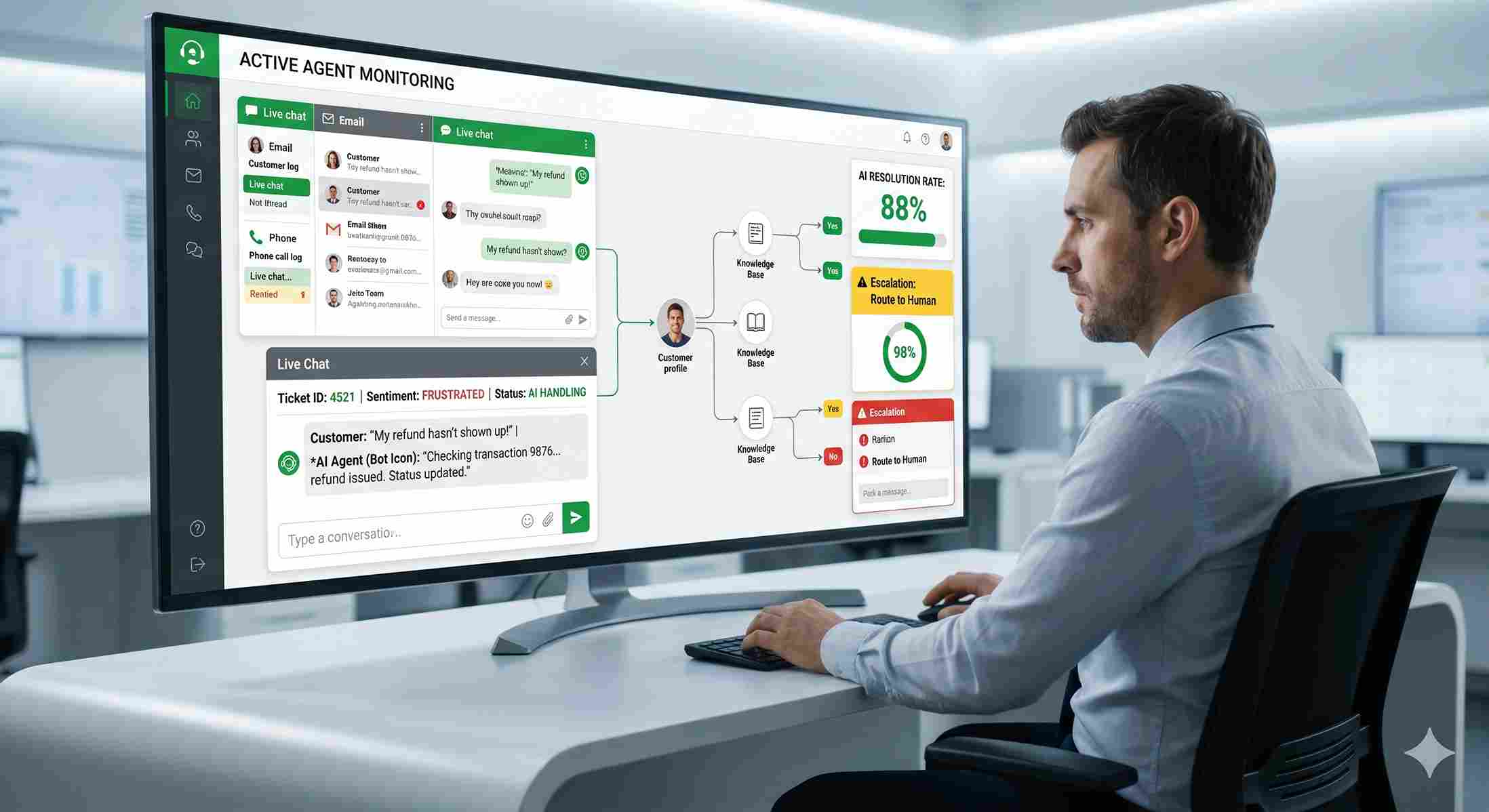
Can I use CRM automation for customer service? Yes. Modern platforms use AI agents to handle common questions, track shipments, or book appointments. This allows your human support team to focus on complex issues that require empathy and nuanced decision-making.
Is it difficult to switch from HubSpot to GoHighLevel? It requires careful planning. You have to export all your contacts, notes, and deal history. The biggest challenge is rebuilding your workflows, as the logic structures between the two platforms are different. It’s often best to hire a migration expert.
What are the primary benefits of sales automation software? The primary benefits are consistency and visibility. It ensures that no lead is ever forgotten and provides managers with a clear view of the "Sales Velocity"—how fast leads are moving through the stages of your pipeline.
How much should I expect to pay for a high-quality CRM in 2026? Expect to pay between $97 and $497 per month for mid-tier platforms like GHL. For enterprise-grade solutions like HubSpot or Salesforce, costs can range from $800 to over $3,000 per month as your database and team grow.
Does CRM automation work for B2B and B2C? Absolutely. In B2B, it’s used for long-term nurturing and account management. In B2C, it’s used for high-volume communication, abandoned cart recovery, and loyalty programs. The "intelligence" of the platform allows it to adapt to either model.
What is "Agentic Workflow" in a CRM? This is a 2026 term for AI that can perform tasks across different apps. For example, an AI agent could see a customer's complaint, check their purchase history in your accounting software, and issue a partial refund without a human intervening.
Is data security an issue with automated CRMs? Yes, it is a priority. You must ensure your platform is compliant with local laws like GDPR (UK) or CCPA (US). This includes having clear data processing agreements and ensuring your automated emails have easy "unsubscribe" options.
Should I hire a consultant to set up my CRM? If your business generates more than $500k in annual revenue, yes. The cost of a "bad" setup—lost leads and broken integrations—is much higher than the one-time fee of a professional who understands the system architecture.