CRM Pipeline Management
Understanding CRM Pipeline Management and Its Role in Sales
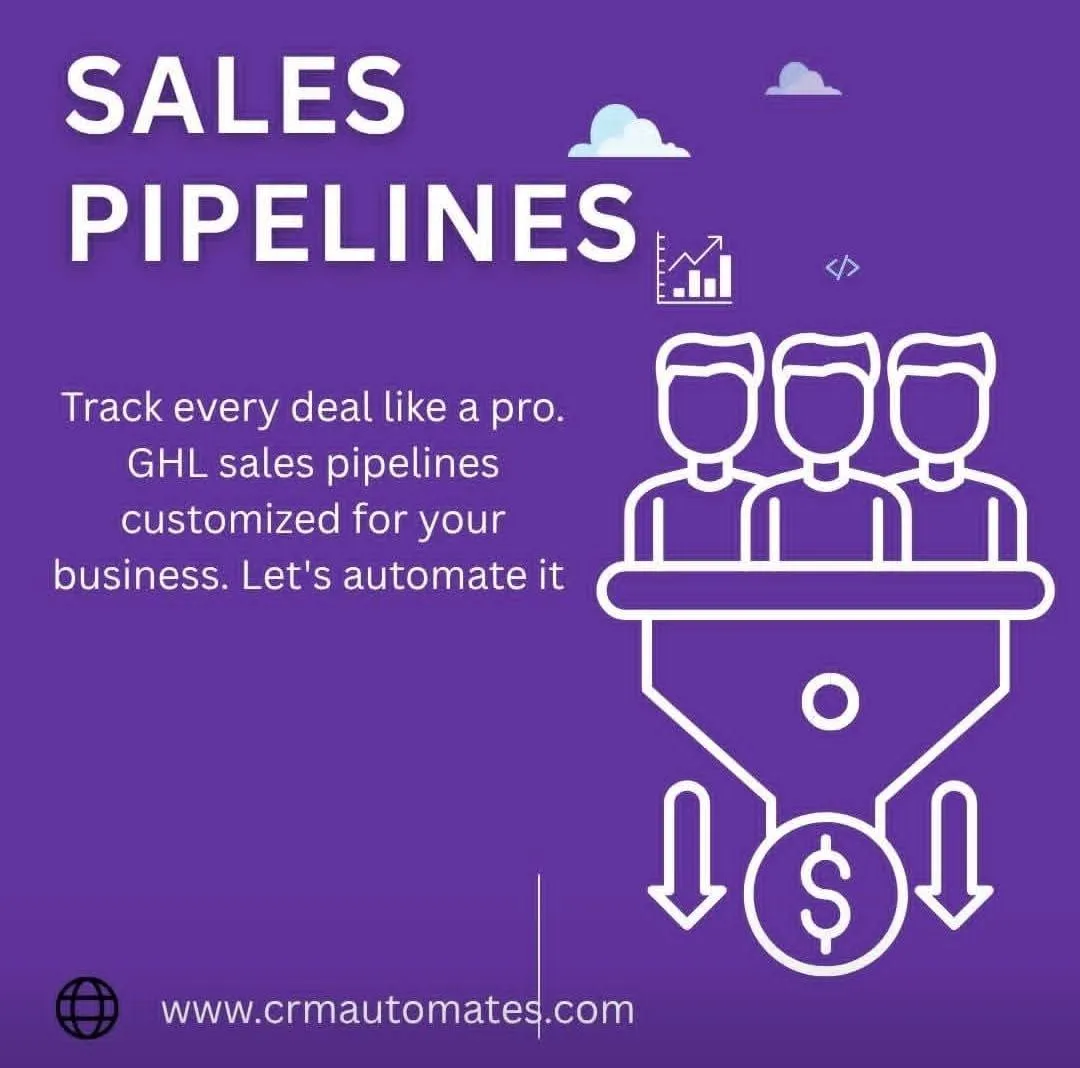
A sales pipeline is basically the path a lead goes through to become a paying customer. It typically involves stages like lead generation, initial contact, qualification, proposal, negotiation, and closing. CRM pipeline management is essentially the art of managing and optimizing these stages using customer relationship management software. The primary importance of pipeline management is that it provides visibility. With the ability to see how many leads are in each stage, sales teams can better forecast their revenues and understand the flaws in their sales process. For instance, if there are many leads that are stuck in the proposal stage, it could mean that the pricing strategy is flawed or the communication process is not clear.
The role of CRM software in this process is that it makes it all visual and actionable. There are no more spreadsheets or paper notes. Everything is in one place. Sales managers can see the progress in real-time, and team members know exactly what they must do next. The other significance of pipeline management is that it provides accountability. Every deal has an owner, an expiration date, and a next step.
Key Features of CRM Pipeline Management Tools
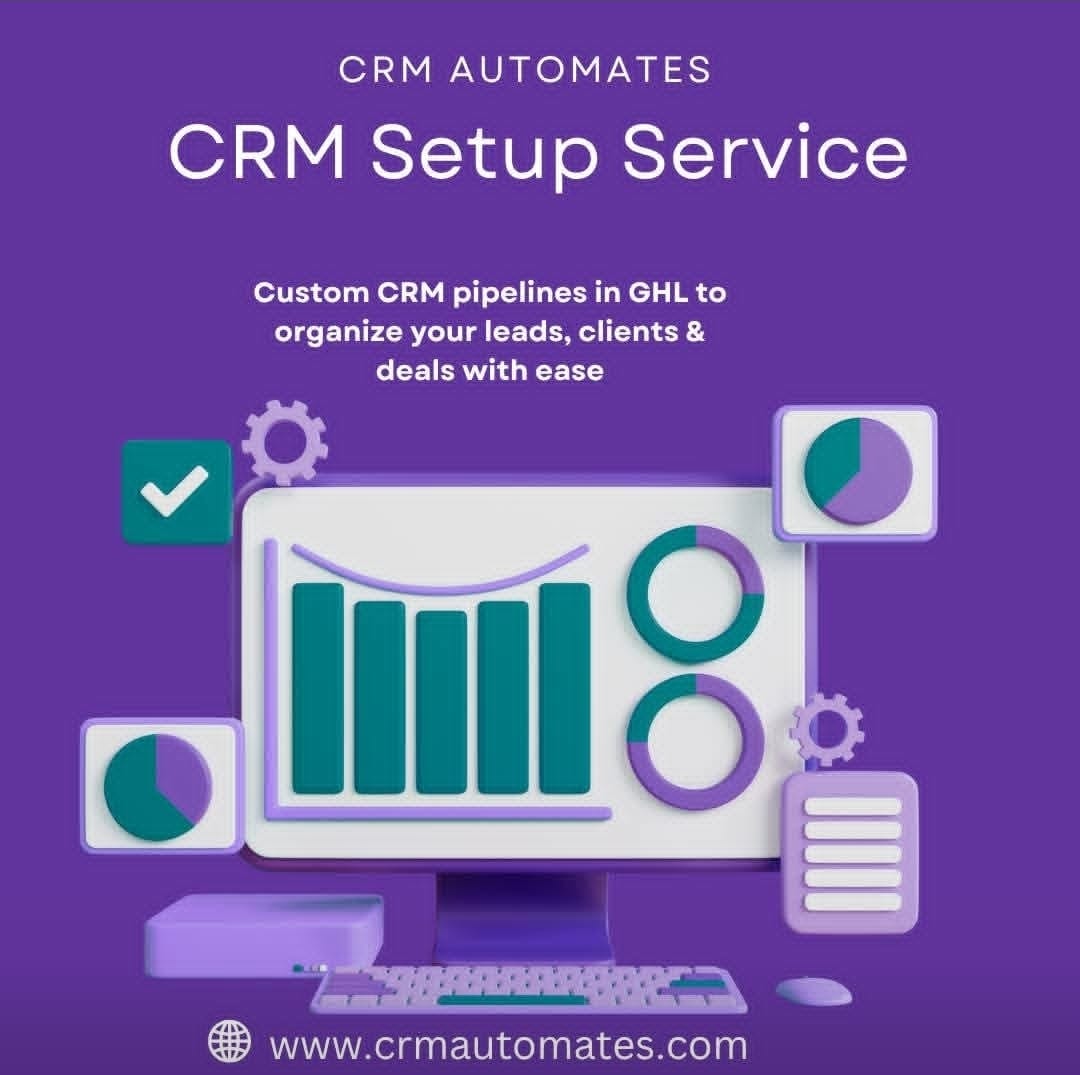
CRM pipeline management software also has features that help make sales work easier and more efficient. One of the most critical features of CRM pipeline management software is the pipeline dashboard. This feature enables sales teams to easily move and track deals from one stage to another. Another critical feature of CRM PIPELINE MANAGEMENT software is automation. Most CRM software can automatically send follow-up emails or reminders to customers based on their actions. This feature saves time and ensures that no lead is missed.
Another critical feature of CRM pipeline management software is lead scoring. This feature enables CRM software to automatically score leads based on customer behavior, such as opening an email or visiting a website. This feature enables sales teams to prioritize high-scoring leads over unqualified ones. Reporting and analytics are also critical features of CRM pipeline management software. The software provides sales teams with reports on conversion rates, deal time, and sales performance.
Choosing the Right CRM Pipeline Management Tool
It’s not about choosing the most expensive or feature-rich CRM solution. It’s about finding a solution that matches your business size, type, and sales process. Small businesses usually require basic and easy-to-use CRM solutions. These solutions are designed for basic pipeline management, contact management, and email integration. The idea is to keep it simple so that the team can easily adapt to the solution. Medium to large businesses may require advanced solutions such as automation, reporting, and customized pipelines. These solutions are designed to handle larger sales teams and sales cycles.
Another important consideration is scalability. A good CRM solution should scale with your business. As your sales process changes, the solution should enable you to customize the stages, workflows, and reports. Security and data protection are also important considerations. A CRM solution stores sensitive customer information. It’s essential to choose a solution that has robust security features and compliance standards.
Finally, it’s essential to consider user adoption. A good CRM solution is of no use if the team doesn’t use it. You should look for solutions that have intuitive designs, training, and support.
How CRM Pipeline Tools Improve Sales Performance
Sales performance is optimized when teams work smarter, not harder. CRM pipeline management solutions help in this regard by adding structure and clarity. When sales teams understand the status of each deal, they can allocate tasks more efficiently and focus on the areas that require the most attention. The first area where CRM solutions make a significant difference is in response time. CRM solutions alert the sales teams whenever a lead takes any action, such as opening an email or asking for more information. Fast response times lead to higher conversion rates and demonstrate to customers that the business is organized and professional.
Another area where CRM solutions make a difference is in forecasting. By analyzing pipeline information, sales managers can forecast future revenue more accurately. This enables them to make better decisions and set more realistic sales targets. CRM solutions also help sales teams collaborate more effectively. Team members can leave messages, update information, and access customer history from a single location. This is particularly useful for larger sales teams or remote sales teams, where communication breakdowns can lead to suboptimal performance. At the midpoint of the sales process, CRM PIPELINE MANAGEMENT becomes essential for pinpointing stuck deals.
Best Practices for Using CRM Pipeline Management Effectively
Just having a CRM system at hand is not sufficient. To fully leverage the system, it is necessary to adopt best practices. One of the most critical best practices is to establish well-defined pipeline stages. Each stage should reflect a significant milestone in the buyer’s process, rather than generic names. Consistency is also critical. It is necessary to regularly update deal stages and record all interactions. This helps maintain a clean and informative pipeline.
Another best practice is to establish well-defined next actions for each deal. A pipeline should never have deals with no next actions. CRM systems are designed to easily assign tasks and reminders to prevent this. It is also necessary to regularly review the pipeline. It is necessary for sales managers to review the pipeline on a weekly or monthly basis to analyze trends, risks, and opportunities. Training is also an important factor. It is necessary for teams to not only learn how to use the CRM system but also learn why it is important.
The Future of CRM Pipeline Management in Sales
With advancing technology, CRM pipeline management software is becoming more intelligent and predictive. Artificial intelligence and machine learning are being employed toanalyzecustomerbehaviorand provide recommendations on the next best step for sales teams.Automation will continue to grow, and less manual work will berequired. Sales teams will be able to spend more time on relationship-building. From automated follow-ups to smart deal scoring, CRM software is becoming more proactive in sales support.
Integration between platforms will also become better. CRM software will integrate seamlessly with marketing, finance, and customer service software, providing a complete picture of the customer life cycle. The trend of working remotely or in a hybrid model is also increasing the need for a centralized sales platform. Sales teams require real-time access to information from anywhere, and CRM software enables this flexibility. Ultimately, companies that invest in CRM PIPELINE MANAGEMENT will have a competitive edge. They will be better organized, more responsive, and better equipped to handle the challenges of changing customer demands.

FREQUENTLY ASKED QUESTIONS (FAQs)
What is CRM pipeline management?
It is the process of tracking and managing sales opportunities through different stages using CRM software, helping teams stay organized and focused.
How does a CRM pipeline improve sales performance?
It improves visibility, prioritization, follow-ups, and forecasting, which leads to higher conversion rates and better revenue planning.
Is CRM pipeline management suitable for small businesses?
Yes, many CRM tools are designed for small businesses and help them manage leads efficiently without complexity.
How often should a sales pipeline be reviewed?
Most teams review their pipeline weekly or monthly to ensure accuracy andidentifystalled deals.
Can CRM tools automate the sales process?
Yes, many CRM tools offer automation for emails, reminders, lead scoring, and reporting.